Introduction: Precision is Profit
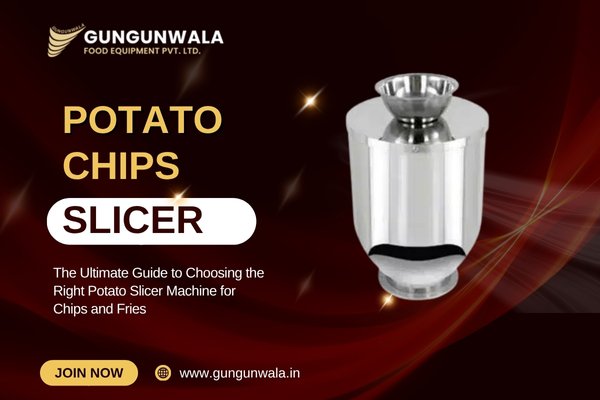
In the snack food industry, consistency is king. If your potato chips or French fries are unevenly sliced, they will fry unevenly, leading to wasted oil, burned edges, and inconsistent quality. The entire ROI of your Fully Automatic Production Line hinges on the performance of a single machine: the Potato Slicer Machine.
As a trusted Manufacturer and Supplier of high-precision Potato Slicing Machine based in Ahmedabad, India, we know the intricacies of the perfect cut. Here is your definitive guide to selecting the right industrial slicer for your needs.
Application-Specific Technology
The most important factor is defining your end product, as chips and fries require fundamentally different cutting technology.
| Product | Required Cut Shape | Slicer Technology | Key Metric |
|---|---|---|---|
| Potato Chips | Thin circular slice | Rotary Multi-Blade Disc | Slice Thickness (typically 1.2 mm to 2.5 mm) |
| French Fries | Square stick | Julienne Cutter or Strip Cutter | Cross-Section Size (e.g., 9 mm × 9 mm or 12 mm × 12 mm) |
Critical Note: If you plan to make both products, you need a machine designed for quick, modular blade changes or, more commonly, separate dedicated machines for the highest efficiency.
Key Technical Factors for Slicer Performance
1. Blade Material and Design
Always insist on high-grade stainless steel blades (SS 304 or better). The blades should be easily accessible for sharpening or replacement, as dull blades increase product breakage, leading to:- Fines and Waste: Small pieces (fines) break off and burn in the Continuous Fryer, dirtying the oil faster.
- Oil Absorption: Rough cuts absorb more oil, increasing cost and reducing product shelf life.
2. Thickness Control Mechanism
The best slicers offer precision control, often through PLC or fine manual adjustment, allowing the operator to adjust slice thickness in small increments (e.g., 0.1 mm). This fine-tuning is vital for achieving the perfect crunch and texture.3. Capacity and Throughput
The slicer must match the capacity of the entire line. If your Continuous Fryer can handle 500 KG/Hr, your Potato Slicer Machine must deliver 500 KG/Hr of sliced product without fail. Look for powerful motors that can handle continuous operation without slowing down or overheating.Minimizing Waste and Downtime
A quality industrial slicer maximizes yield, directly contributing to a higher ROI.
- Product Flow: The design should ensure a consistent, uniform feed rate of potatoes to the cutting head, which reduces breakage and minimizes wasted potato ends.
- Cleaning Access: The machine’s design must prioritize hygiene. Quick-release fasteners and easy access to the cutting chamber for cleaning are essential to prevent starch buildup and meet food safety standards (especially important for an Exporter).
- Peeling Integration: A high-efficiency line integrates the slicer directly with the peeler and washer to ensure a smooth, hands-free flow of raw material, reducing labor costs and contamination risk.
Conclusion: Invest in the First Cut
The Potato Slicer Machine is the genesis of your product. Investing in a precise, durable, high-capacity slicer from a reputable Manufacturer is not an expense—it is a mandatory investment in product consistency, operational efficiency, and your brand reputation.
Ready to upgrade your slicing technology?
Contact our engineering team today for a technical consultation. We’ll help you match the perfect Potato Slicer Machine to your specific chip thickness or French fry cross-section requirements!